FOSS Hacker Principal Software Engineer at Red Hat Science Lover
ViDA: Europe's New Architecture for Total Financial Surveillance
Autored by Hervé Beraud on 15 January 2026
How can we tell if we are still living in a Europe of liberties? The answer is simple: when your government suspects your every move, views you as a potential criminal, then you are living in an authoritarian state.
ViDA: Europe’s New Architecture for Total Financial Surveillance
How can we tell if we are still living in a Europe of liberties? The answer is simple: when your government suspects your every move, views you as a potential criminal, and seeks to impose systems that strip away every form of individual freedom.
My work is dedicated to defending individual liberties and advocating for a healthy mistrust of the State and those who govern us. The proper role of a State is to guarantee the freedom of its citizens, not to enslave them for the benefit of a political caste whose only goal is to live off your productivity like parasites.
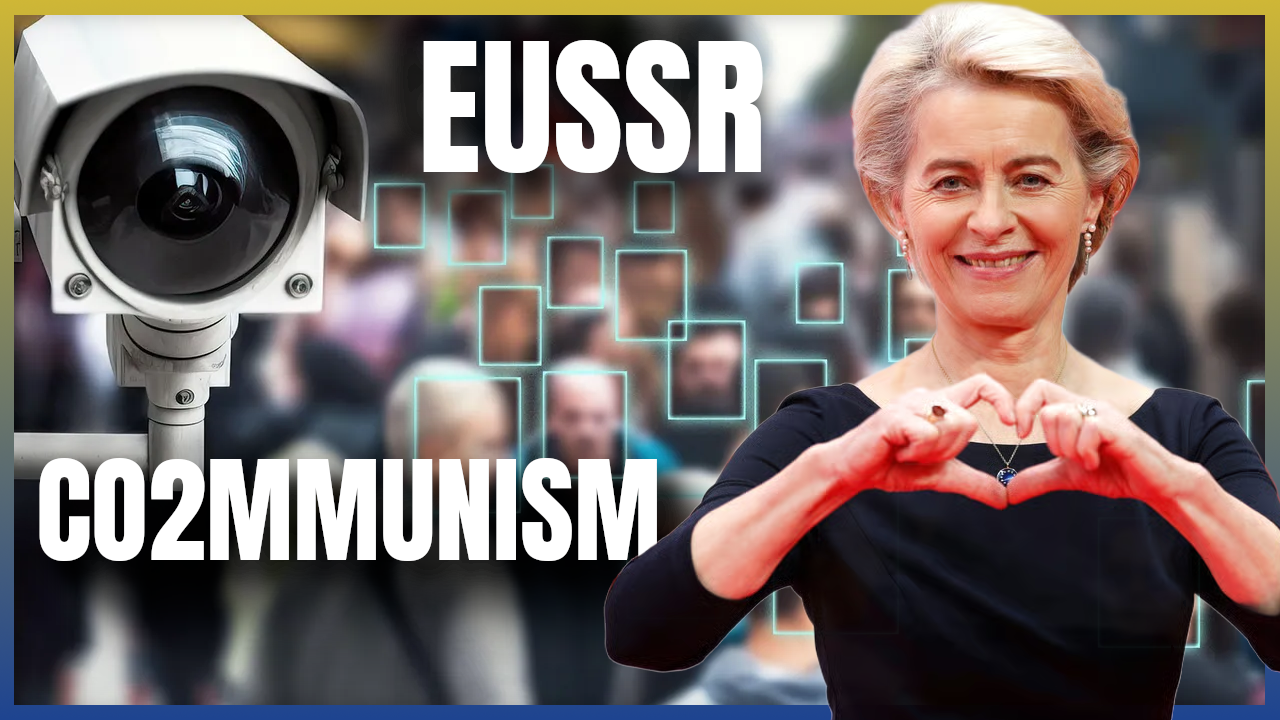
Following the development of the controversial digital euro—a cornerstone of a potential social credit system where your money no longer belongs to you—another piece of this authoritarian puzzle is being discreetly put into place. Europe is preparing another brick in the wall: European electronic invoicing, officially known as “VAT in the Digital Age” or “ViDA.”
What is ViDA? The Trojan Horse of Tax Compliance
On the surface, ViDA is presented as a necessary tool to combat VAT fraud. The plan is to standardize every invoice into a specific digital format, allowing for automated analysis by a central computer system. Crucially, every invoice must be issued or received through a State-validated platform.
While the stated goal sounds reasonable, this project raises major concerns for individual liberties and privacy. It represents a fundamental shift in the relationship between the citizen and the State, moving from a system of trust to one of total surveillance.
The End of Declaration, The Start of Constant Reporting
With ViDA, we are moving to a system of “Digital Reporting Requirements.” You no longer declare your financial activities; the system “declares” you in near real-time.
Consider the implications:
An Electronic Leash: The proposed data transmission deadline would drop to just two working days after an invoice is issued. This is an ultra-short leash that leaves no room for human error or financial breathing room.
Transaction-by-Transaction Surveillance: Unlike the current system, where a company declares its overall turnover periodically, the new system imposes the transmission of data for every single transaction.
Mandatory Bottlenecks: The use of “certified” private or public platforms becomes a mandatory chokepoint, effectively eliminating the direct, private, and free exchange of documents between two parties.
The Hidden Tax of Surveillance
Implementing ViDA is not free. It is projected to cost European businesses approximately €11 billion in the first few years alone. Small businesses, the backbone of the European economy, are being forced to self-finance the very tools of their own surveillance. This is nothing less than a disguised tax on technology, designed to feed an ever-growing bureaucratic hydra.
Your Invoice: A Window into Your Private Life
The fundamental danger of this system is that it transforms a simple invoice into a backdoor into your private life. An invoice isn’t just an amount; it contains the “what,” the “when,” and the “with whom” of a transaction.
By centralizing every purchase of goods or services, the State gains a perfect, real-time map of:
Consumption habits
Travel patterns (hotel and transport costs)
The professional and personal relationships of an individual or a company
This system introduces the total traceability of your behavior, turning every commercial act into a data point for the State to analyze.
The Perfect Control Loop: ViDA, Digital ID, and the Digital Euro
ViDA is not a standalone project. It is designed to link directly with two other pillars of the new European architecture: the European Digital Identity and the Digital Euro.
By cross-referencing e-invoicing data with your digital identity and your programmable digital currency, the State achieves a perfect control loop. This is the technical foundation for a social credit score—and heaven help you if you make a misstep.
For example, imagine a company or individual whose activity involves buying services deemed “harmful” by the government—perhaps those with a high carbon footprint. With this interconnected system:
ViDA flags the “undesirable” transactions.
Your Digital ID is associated with this behavior.
Your tax compliance score could be automatically downgraded.
This, in turn, could instantly affect your access to credit, public contracts, or even your ability to use the Digital Euro for certain purchases.
This leads to the terrifying prospect of “algorithmic justice,” where an administration can block a transaction or freeze your rights upfront, without human intervention, based on a discrepancy detected by an AI controller.
A Centralized Honeypot for Criminals
Creating such a system means offering hackers, foreign adversaries, and malicious internal actors all of your data on a centralized silver platter. The State is already notoriously incapable of protecting the data it collects, yet it continually demands more.
To understand the stakes, consider this chilling scenario based on real-world events. In 2025, a corrupt French tax official sold the tax data of numerous citizens—including names, home addresses, phone numbers, and financial situations—to a mafia group. Following this data leak, France suffered a wave of kidnappings and violent abductions targeting people who had declared self-custody crypto wallets. Victims were tortured, and fingers were cut off. This entire operation was commissioned by organized crime with the help of civil servants.
Think about that. The State not only fails to protect you but can become an unwitting (or witting) accomplice to the criminals it claims to fight.
The Assault on Freedom and Competition
The paradigm shift is blatant. We are moving from a system of a priori trust, where checks occur in case of suspicion, to a system of total a priori surveillance, where every citizen is treated as a potential fraudster.
Violation of Rights: Since time immemorial, an exchange has been a private contract between two parties. The obligation to route this contract through a State platform is a gross violation of property rights and trade secrets.
Stifling Competition: This project imposes an immense technological and financial burden on small businesses, forcing them to depend on certified software. It is a barrier to entry that favors large corporations and strengthens the “Big State, Big Tech” alliance. Free competition cannot exist where the State imposes such barriers.
Total Coverage: Don’t think this only concerns large import-export firms. The reform allows member states to impose it for every purchase between two domestic professionals. From the local craftsman buying materials to the consultant invoicing a service, no one escapes the Tax Eye of Sauron.
Why “Nothing to Hide” Is the Most Dangerous Fallacy
Wolfgang Schäuble, the former German minister, once said: “Those who have nothing to hide have nothing to fear.” I believe the opposite is true. Those who have nothing to hide have everything to lose: their freedom, their security, and their purchasing power.
This argument is flawed because it assumes freedom only has value for the guilty. Privacy is not about hiding wrongdoing; it’s about the freedom to be yourself without judgment or persecution. When you know you are being watched, you begin to self-censor. Your purchases are an extension of your personal choices, and no civil servant has the legitimacy to spy on you and decide what is best for you.
What Can You Do? Building Your Financial Sovereignty
Without financial sovereignty, there is no individual liberty. For those who want to take action and build this independence, here are several concrete steps.
Relocate if Possible: If you plan to start a business and it is potentially relocatable, do not waste your time and energy in the European Union. On my Patreon, I share detailed analyses of non-EU countries that are favorable to entrepreneurship, both fiscally and legally.
Invest to Protect Your Wealth: Investment is a powerful way to protect your savings from overreach and inflation. You can start building your traditional asset base by opening an account with a platform like Trade Republic. Focus on accumulating investments that don’t expose you to recurring taxes.
Embrace Decentralization: For those who want to go further and literally “print” Bitcoin daily, I recommend creating a GoMining account. It’s an excellent entry point to accumulate fractions of BTC regularly and understand mining. Remember, Bitcoin is a decentralized currency. If you own your private keys, no government can block or confiscate your wealth.
If you want to dive deeper into these strategies, learn how to secure your business, or discover how to relocate your income to invest more heavily, join me on Patreon. This is where I share detailed tutorials and where we build the pillars of your independence together, away from the pressure of traditional institutions.
If this content helped you understand the societal stakes behind EU decisions, please share it. The more people who are aware, the better.
Now, I want to hear from you in the comments: Do you think Europe is shooting itself in the foot by attacking its own entrepreneurial fabric? Is it killing its competitiveness and innovation? I read all your feedback.